
For people living with a lymphatic malformation (LM) and the families who care for them, one question often comes up: Why do these malformations keep growing, even when we know the genetic mutation that caused them?
New research presented by Professor Taija Mäkinen offers an important piece of that puzzle. The work suggests that the genetic mutation is only part of the story. Cells surrounding the malformation—including immune cells—also help drive disease progression. Understanding this "conversation" between cells could open the door to better treatments in the future.
What is a lymphatic malformation?
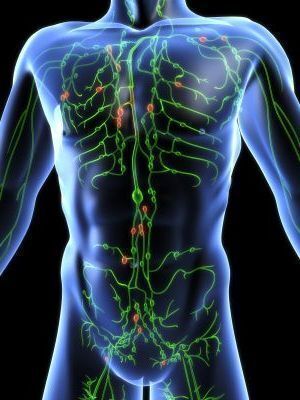
A lymphatic malformation is a rare condition in which lymphatic vessels develop abnormally. These vessels are part of the body's lymphatic system, which helps maintain fluid balance and supports the immune system.
Many lymphatic malformations are caused by changes (mutations) in a gene called PIK3CA. These mutations happen after conception, meaning they are not inherited. The mutation causes some lymphatic vessel cells to grow when they should not, leading to fluid-filled cysts and abnormal vessel growth.
Current treatments can help manage symptoms, but many patients continue to experience growth or recurrence of their lesions over time.
What did the researchers discover?
The research team wanted to understand why these abnormal vessels continue to grow.
Using advanced mouse models and studies of human tissue, they discovered that mutated lymphatic vessel cells do much more than grow on their own. They send chemical signals that attract immune cells called macrophages.
Those macrophages then release growth signals that encourage the lymphatic malformation to continue expanding.
In other words, the disease appears to be fueled by an ongoing cycle:
- PIK3CA-mutated lymphatic cells send inflammatory signals.
- Macrophages are recruited into the lesion.
- Macrophages release growth factors.
- Those growth factors stimulate even more abnormal lymphatic growth.
The researchers also identified a unique group of lymphatic cells with strong inflammatory activity that may play an important role in keeping this cycle going.
Why does this matter?
Many current treatments focus on slowing the abnormal growth caused by the PIK3CA mutation itself.
This research suggests another opportunity.
If scientists can interrupt the communication between mutant lymphatic cells and immune cells, they may be able to reduce disease progression more effectively than by targeting the mutation alone.
In laboratory models, combining medicines that block multiple parts of this pathway slowed disease progression more effectively than single treatments alone.
While these findings are still in the research stage, they offer encouraging evidence that combination therapies could become an important direction for future clinical studies.
The research also looked at venous malformations
The team also studied venous malformations, another type of vascular anomaly that can also be caused by PIK3CA mutations.
Although the biology is different, the researchers found a similar pattern: abnormal blood vessel cells communicate with surrounding tissues to promote continued growth.
This suggests that understanding how cells interact with their environment may be important across several vascular anomaly disorders.
What does this mean for patients?
This research does not immediately change current treatment recommendations.
However, it provides scientists with a clearer understanding of how lymphatic malformations develop and why they can continue growing over time.
That deeper understanding is exactly what helps researchers identify better treatment targets and design future clinical trials.
Every discovery brings us one step closer to therapies that are more precise, more effective, and better able to improve quality of life for people living with lymphatic malformations.
Looking ahead
Progress in rare diseases often happens one discovery at a time.
Studies like this remind us that solving lymphatic malformations requires more than understanding genetics alone. It also requires understanding how different cells work together inside the body.
By uncovering these cellular conversations, researchers are building a stronger foundation for the next generation of treatments—and bringing hope grounded in science to patients and families around the world.
Based on the video: Cellular dialogues in PIK3CA-related vascular malformations presented by Tajia Makinen, Director of the Wihuri Research Institute and Professor at the University of Helsinki.