

Being part of a couple or a parent caring for a child with a rare condition brings its own set of challenges and rewards. Here's how to navigate these complexities and strengthen your relationship:
Understanding the Dynamics
- Unique Challenges: Managing time, resources, and responsibilities amidst the demands of a rare condition.
- Unspoken Assumptions: Our beliefs about life and relationships are shaped by our upbringing, personal history, and cultural background. These can become more apparent during times of stress.
Coping Strategies for Relationships
- Effective Communication: Make time for open, honest conversations. Addressing issues together as a team fosters understanding and unity.
- Recognizing Differences: Appreciate that partners may cope differently with stress. Respect these differences and learn from each other's strengths.
- Making Time for Each Other: Schedule regular check-ins or date nights to reconnect without focusing on health or caregiving responsibilities.
- Asking for Support: Don't hesitate to communicate your needs clearly. Partners aren't mind readers, and asking for help strengthens your bond.
Dealing with Challenges
- Sharing Emotions: Discussing feelings of frustration or sadness about the impact of the rare condition can prevent misunderstandings and strengthen emotional support.
- Navigating Roles: Clarify roles and expectations. If one partner feels less involved or uncertain, initiate a conversation to find a balance that works for both.
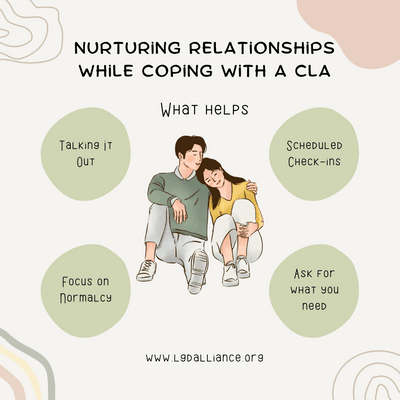
What Helps?
- Talking It Out: "Discussing how we each cope with difficult situations has brought us closer. It helps us support each other better."
- Scheduled Check-Ins: Regularly set aside time to reconnect and share without the pressure of health concerns.
- Focus on Normalcy: Enjoy simple activities together—like meals, walks, or games—to nurture your relationship beyond the challenges.
- Ask for What You Need: "Sometimes, I just need a hug. Asking for it made a big difference in feeling supported."
Navigating the impact of a rare condition on relationship requires patience, understanding, and proactive communication. Taking these steps can help you and your partner or family maintain a strong, supportive connection amidst challenges.